
"Yemeni coffee cultivation"
700 article(s) found

Yemeni Coffee "full of Game" Coffee basic knowledge
Because the steep slopes, valleys and depressions that can be planted in the mountains are very narrow, coffee farmers adopt distributed cultivation and plant a few plants whenever there is a suitable place, regardless of wild forests, cliffs or barren valleys. Experts pointed out that the diversity of the planting environment and the diversity of microclimate have created the ever-changing aroma and acid of Yemeni coffee. Some people laugh that the same sack of Yemeni coffee

Yemeni coffee is the earliest coffee bean export port
Yemeni coffee is a famous coffee named after a port in Yemen. Mocha coffee is the most familiar. When the word appears separately on a package and a cafe menu, it refers to something different. The former refers to the port where coffee beans are exported, while the latter refers specifically to a coffee. Strictly speaking, coffee beans exported from Yemen's mocha port can be called mocha coffee. Later port

Yemeni coffee grains of China Coffee Network are small and heavy.
Yemeni coffee originated from Arabian coffee trees hundreds of years ago, all of which are produced in areas above 3000 feet above sea level. For hundreds of years, the unique planting and production methods of Yemeni coffee have remained almost unchanged. The seedlings of Yemeni coffee trees are first cultivated in nurseries and then transplanted to high elevations. Pesticides and fertilizers are not used in the breeding process. Mature coffee beans are naturally dried on coffee trees and shelled by stone mill.

A brief introduction to the Development History of Wikipedia Yemeni Coffee is Yemeni coffee good?
Professional coffee knowledge exchange more coffee bean information please follow the coffee workshop (Wechat official account cafe_style) mocha Mocha Coffee refers to five kinds of mocha 1. The first export port of coffee-the Yemeni port of Moka (the vanished harbor) 2. Coffee brewed in a mocha pot. An Italian latte with chocolate. The origin of coffee-mocha coffee from Hara, Ethiopia

Yemeni coffee "full of game" common sense of coffee bean culture
Because the steep slopes, valleys and depressions that can be planted in the mountains are very narrow, coffee farmers adopt distributed cultivation and plant a few plants whenever there is a suitable place, regardless of wild forests, cliffs or barren valleys. Experts pointed out that the diversity of the planting environment and the diversity of microclimate have created the ever-changing aroma and acid of Yemeni coffee. Some people laugh that the same sack of Yemeni coffee

Introduction to the characteristics of grinding scale of Yemeni boutique coffee bean flavor description
Yemeni coffee originated from Arabian coffee trees hundreds of years ago, all of which are produced in areas above 3000 feet above sea level. For hundreds of years, the unique planting and production methods of Yemeni coffee have remained almost unchanged. The seedlings of Yemeni coffee trees are first cultivated in nurseries and then transplanted to high elevations. Pesticides and fertilizers are not used in the breeding process. Mature coffee beans are naturally dried on coffee trees and shelled by stone mill.

"full of Game" Yemeni Coffee China Coffee Network China Coffee Trading Network
Because the steep slopes, valleys and depressions that can be planted in the mountains are very narrow, coffee farmers adopt distributed cultivation and plant a few plants whenever there is a suitable place, regardless of wild forests, cliffs or barren valleys. Experts pointed out that the diversity of the planting environment and the diversity of microclimate have created the ever-changing aroma and acid of Yemeni coffee. Some people laugh that the same sack of Yemeni coffee

The latest introduction of Yemeni coffee boutique coffee
Yemeni coffee originated from Arabian coffee trees hundreds of years ago, all of which are produced in areas above 3000 feet above sea level. For hundreds of years, the unique planting and production methods of Yemeni coffee have remained almost unchanged. The seedlings of Yemeni coffee trees are first cultivated in nurseries and then transplanted to high elevations. Pesticides and fertilizers are not used in the breeding process. Mature coffee beans are naturally dried on coffee trees and shelled by stone mill.

Yemeni Coffee Wild guy Barney roasted Yemeni mocha Coffee what's the difference?
Professional coffee knowledge exchange more coffee bean information please follow the coffee workshop (Wechat official account cafe_style) Yemeni coffee wild guy Barney, this is the first time I have seen beans taste really good, medium and deep roasting, but the bitter taste is not strong only for a moment, followed by distinct sweetness, obvious cocoa flavor, and I am not sure of some kind of fruit

Refreshing and refreshing Yemeni coffee flavor, characteristics, taste and manor
Yemeni coffee originated from Arabian coffee trees hundreds of years ago, all produced in areas above 3000 feet above sea level. For hundreds of years, the unique planting and production methods of Yemeni coffee have remained almost unchanged. The seedlings of Yemeni coffee trees are first cultivated in nurseries and then transplanted to high elevations. Pesticides and fertilizers are not used in the breeding process. Mature coffee beans are naturally dried on coffee trees and shelled by stone grinding.

Yemeni coffee with rich flavor: wild guy Barney Yemeni mocha Harz coffee has the characteristic taste and flavor.
Professional coffee knowledge exchange more coffee bean information please follow the coffee workshop (Wechat official account cafe_style) Yemeni coffee wild guy Barney, this is the first time I have seen beans taste really good, medium-and deep-roasted, but the bitter taste is not strong only for a moment, followed by distinct sweetness, obvious cocoa flavor, and I am not sure of the taste of some kind of fruit

Yemeni artifact sun beans Yemeni mocha coffee taste good?
For more information on coffee beans, please follow the Coffee Workshop (official Wechat account cafe_style). Yemeni coffee is immediately reminiscent of the magical sun-dried beans that taste thick and full, and the fantastic wild aroma of fermented tea is stacked on stacks, full of mystery, elusiveness and infinite longing like the country of Yemen. Yemen is located in Ethiopia across the Red Sea and East Africa in Asia.

Introduction of Mocha producing areas in Yemen? What are the reasons for the low coffee production in Yemen?
Professional coffee knowledge exchange more coffee bean information please pay attention to the origin of coffee workshop (Wechat official account cafe_style) Yemeni mocha coffee Yemeni coffee culture is different from other places, the unique flavor characteristics can be partly attributed to the country's ancient trade style. Yemeni Coffee was the first coffee to be commercialized (for trading) through the port city of Al Mahka

With chocolate color, complete grain shape, Yemeni coffee flavor, characteristics, taste and manor
Yemeni coffee originated from Arabian coffee trees hundreds of years ago, all of which are produced in areas above 3000 feet above sea level. For hundreds of years, the unique planting and production methods of Yemeni coffee have remained almost unchanged. The seedlings of Yemeni coffee trees are first cultivated in nurseries and then transplanted to high elevations. Pesticides and fertilizers are not used in the breeding process. Mature coffee beans are naturally dried on coffee trees and shelled by stone mill.

The sparsely produced Yemeni Madali mocha coffee sells for an average of $173 per pound.
Coffee workshop (Wechat official account cafe_style) Yemeni mocha is one of the oldest coffees in the world. Yemeni mocha is considered to be the best coffee available to people in the world. It has a unique, aromatic, sour taste and a distinctive spicy taste. Yemeni mocha is the oldest in the world.

Current situation of coffee industry in Yemen
First, the history of Yemeni coffee (1) the origin of mocha coffee is in Yemen, the origin of mocha coffee is very wide, these coffees have their own characteristics and differences from quality to taste, but because these coffees have been shipped and exported from the port of Mocha in Yemen to markets around the world, they are collectively called mocha coffee. The port of Mocha is located along the Red Sea north of the Mande Strait.
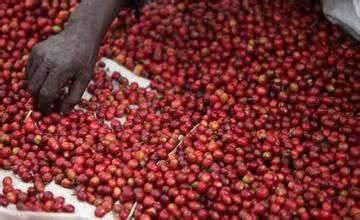
Refreshing, giving people an endless aftertaste of Yemeni coffee flavor, characteristics, taste and manor
Yemeni coffee originated from Arabian coffee trees hundreds of years ago, all produced in areas above 3000 feet above sea level. For hundreds of years, the unique planting and production methods of Yemeni coffee have remained almost unchanged. The seedlings of Yemeni coffee trees are first cultivated in nurseries and then transplanted to high elevations. Pesticides and fertilizers are not used in the breeding process. Mature coffee beans are naturally dried on coffee trees and shelled by stone grinding.

Yemeni coffee flavor and taste Yemeni coffee brands are introduced in Yemeni boutique coffee beans.
Since 2001, Yemeni coffee production has declined year by year due to various reasons. The annual output has dropped from 11906 tons in 2001 to 11608 tons in 2003, 11590 tons in 2004, to about 11000 tons in 2008. In recent years, despite the rising prices in the international coffee market, the coffee industry in Yemen has not boomed, but has shrunk sharply. The main reason for the decrease in coffee production

Unique Grain shape complete Yemeni Coffee Variety characteristics introduction to Flavor Coffee beans in Manor
Yemeni coffee originated from Arabian coffee trees hundreds of years ago, all produced in areas above 3000 feet above sea level. For hundreds of years, the unique planting and production methods of Yemeni coffee have remained almost unchanged. The seedlings of Yemeni coffee trees are first cultivated in nurseries and then transplanted to high elevations. Pesticides and fertilizers are not used in the breeding process. Mature coffee beans are naturally dried on coffee trees and shelled by stone grinding.